Buy pgx.eu ?
We are moving the project
pgx.eu .
Are you interested in purchasing the domain
pgx.eu ?
domain@kv-gmbh.de · 0541-91531010
Buy pgx.eu ?
What are alcohols?
Alcohols are a class of organic compounds that contain a hydroxyl group (-OH) attached to a carbon atom. They are characterized by their ability to dissolve in water and their distinct smell and taste. Alcohols can be classified based on the number of carbon atoms bonded to the carbon atom with the hydroxyl group, such as methanol, ethanol, and isopropanol. They are commonly used as solvents, disinfectants, and in alcoholic beverages. **
Are polyhydric alcohols the same as, for example, secondary alcohols?
No, polyhydric alcohols and secondary alcohols are not the same. Polyhydric alcohols are alcohols that contain more than one hydroxyl (-OH) group in their structure, such as glycerol or ethylene glycol. Secondary alcohols, on the other hand, are a specific type of alcohol where the carbon atom bearing the hydroxyl group is bonded to two other carbon atoms. Examples of secondary alcohols include isopropanol and 2-butanol. Therefore, while polyhydric alcohols refer to the presence of multiple hydroxyl groups, secondary alcohols refer to the specific structure of the carbon atom bonded to the hydroxyl group. **

Similar search terms for Sugar alcohols
Top-Angebote
Products related to Sugar alcohols:
-
Fourth Estate Fat Chance: The Hidden Truth About Sugar, Obesity and Disease by Dr. Robert Lustig - Paperback - Public Health & Nutrition BookFat Chance: The Hidden Truth About Sugar, Obesity and Disease is Dr Robert Lustig's exposé of how sugar has quietly infiltrated the modern diet and reshaped public health. Drawing on decades of clinical research as a paediatric endocrinologist, Lustig dismantles the myth that 'a calorie is a calorie,' revealing why sugar itself drives obesity, diabetes and chronic disease. This paperback is a must-read for anyone wanting to understand the impact of sugar on public health. About the book, sugar is toxic, addictive and virtually inescapable in the modern food supply. Dr Robert Lustig argues that our reliance on processed convenience food is directly responsible for soaring rates of obesity, type 2 diabetes and a wide catalogue of related diseases. Published by Fourth Estate Ltd, this book is a landmark exposé that goes further than typical diet books, offering a comprehensive look at the effects of sugar on our health.2,49 £*Shipping: 2,99 £Secure redirect to the provider
-
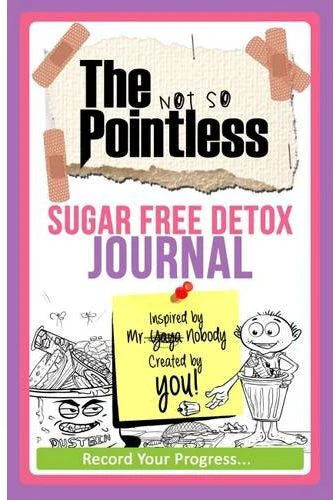
Zoblit Ltd The Not So Pointless Sugar Free Detox Journal by Yaya Nobody - Paperback Diary - Fun Sugar-Free Tracker Gift for Wellness FansA light-hearted, wry companion for anyone attempting to cut sugar from their diet, this compact diary-style paperback pokes gentle fun at the whole detox process. It's a practical tracker that offers space to jot down daily notes on your detox journey, recording what you've eaten, how you're feeling, and whether the cravings have won the day. With a tongue-in-cheek tone, this pocket-sized diary is designed to be a helpful companion on your path to a sugar-free lifestyle.2,49 £*Shipping: 2,99 £Secure redirect to the provider
-
Cornerstone Press Make Me Well: The Truth About the Wellness Industry, Supplements, and Personalised Health by Xand van TullekenIn a world of endless wellness advice, learn how to make smarter decisions about your health with the empowering new book from doctor and broadcaster Xand Van Tulleken. Drawing on original reporting, expert insight and real-world case studies, he explores: The truth about supplements and vitamins ― what works and what doesn’t The rise of at-home blood testing and personalised health plans How wearable technology (fitness trackers, sleep trackers, smartwatches) shapes our behaviour The promises and pitfalls of consumer genomics and DNA testing Why the line between healthcare and the wellness industry has become blurred There has never been a more confusing time to try to be healthy. From supplements and blood testing to wearable technology and consumer genomics, the modern wellness industry promises better energy, performance and longevity. But how much of it is science, and how much is marketing? In his groundbreaking book, Make Me Well, Xand van Tulleken investigates the new Wild West of the wellness industry, offering a clear, evidence-based guide to navigating today’s most popular health trends. With practical advice and accessible science, Make Me Well will help you cut through misinformation, avoid unnecessary costs, and make informed decisions about your physical and mental wellbeing. If you’ve ever wondered which health trends are worth your time and money, this is your essential guide to modern wellness.12,99 £*Shipping: 2,99 £Secure redirect to the provider



-
What are monohydric alcohols?
Monohydric alcohols are organic compounds that contain a single hydroxyl (-OH) group attached to a carbon atom. They are also known as primary alcohols. Monohydric alcohols can be found in various natural sources such as fruits, vegetables, and grains, and are also commonly used in the production of alcoholic beverages, solvents, and as fuel additives. Examples of monohydric alcohols include methanol, ethanol, and propanol. **
-
Are all alcohols lipophilic?
Yes, all alcohols are lipophilic, meaning they are attracted to and soluble in lipids or fats. This is because alcohols have a hydrophobic (water-repelling) portion, which allows them to interact with and dissolve in non-polar substances like lipids. This property makes alcohols useful in a variety of applications, including as solvents in the pharmaceutical and cosmetic industries. **
-
What are alcohols in chemistry?
Alcohols are a class of organic compounds that contain a hydroxyl (-OH) functional group, which is a combination of a hydrogen atom and an oxygen atom bonded to a carbon atom. They are characterized by their ability to dissolve in water and their ability to undergo reactions such as oxidation and esterification. Alcohols can be classified as primary, secondary, or tertiary based on the number of carbon atoms bonded to the carbon atom bearing the hydroxyl group. They are commonly used as solvents, disinfectants, and in the production of various chemicals and consumer products. **
-
'It's about alcohols in chemistry.'
Alcohols are a class of organic compounds that contain a hydroxyl group (-OH) bonded to a carbon atom. They are commonly used as solvents, disinfectants, and in the production of various chemicals. Alcohols can be classified as primary, secondary, or tertiary based on the number of carbon atoms bonded to the carbon atom bearing the hydroxyl group. They also undergo various chemical reactions, such as oxidation to form aldehydes or ketones, and esterification to form esters. **


Which alcohols can you drink?
You can drink alcohols that are safe for human consumption, such as beer, wine, and spirits. It's important to drink responsibly and in moderation, and to be aware of your own tolerance and any potential health risks. It's also important to be of legal drinking age in your country or region. Always consult with a healthcare professional if you have any concerns about alcohol consumption. **
Why are primary and secondary alcohols not as reactive as tertiary alcohols in SN1 reactions?
Primary and secondary alcohols are not as reactive as tertiary alcohols in SN1 reactions because the rate-determining step in SN1 reactions involves the formation of a carbocation intermediate. Tertiary alcohols form more stable carbocation intermediates due to the presence of more alkyl groups, which stabilize the positive charge through hyperconjugation and inductive effects. In contrast, primary and secondary alcohols form less stable carbocation intermediates, making the reaction less favorable. As a result, tertiary alcohols undergo SN1 reactions more readily than primary and secondary alcohols. **
Top-Angebote
Products related to Sugar alcohols:
-
Callisto Media Sugar Detox for Beginners by Hayward Press - Paperback - 21-Day Sugar Detox Guide with 77 Recipes - Adult Health & NutritionA comprehensive guide to starting a 21-day sugar detox, 'Sugar Detox for Beginners' offers a structured plan and 77 recipes to help readers break free from sugar cravings. Written by Hayward Press and published by Callisto Media, this book provides a realistic and sustainable approach to cutting sugar, rather than a restrictive fad diet. It explains why sugar cravings happen and offers practical tips to overcome them, making it an ideal starting point for those looking to make a gradual change to their diet.2,99 £*Shipping: 2,99 £Secure redirect to the provider
-
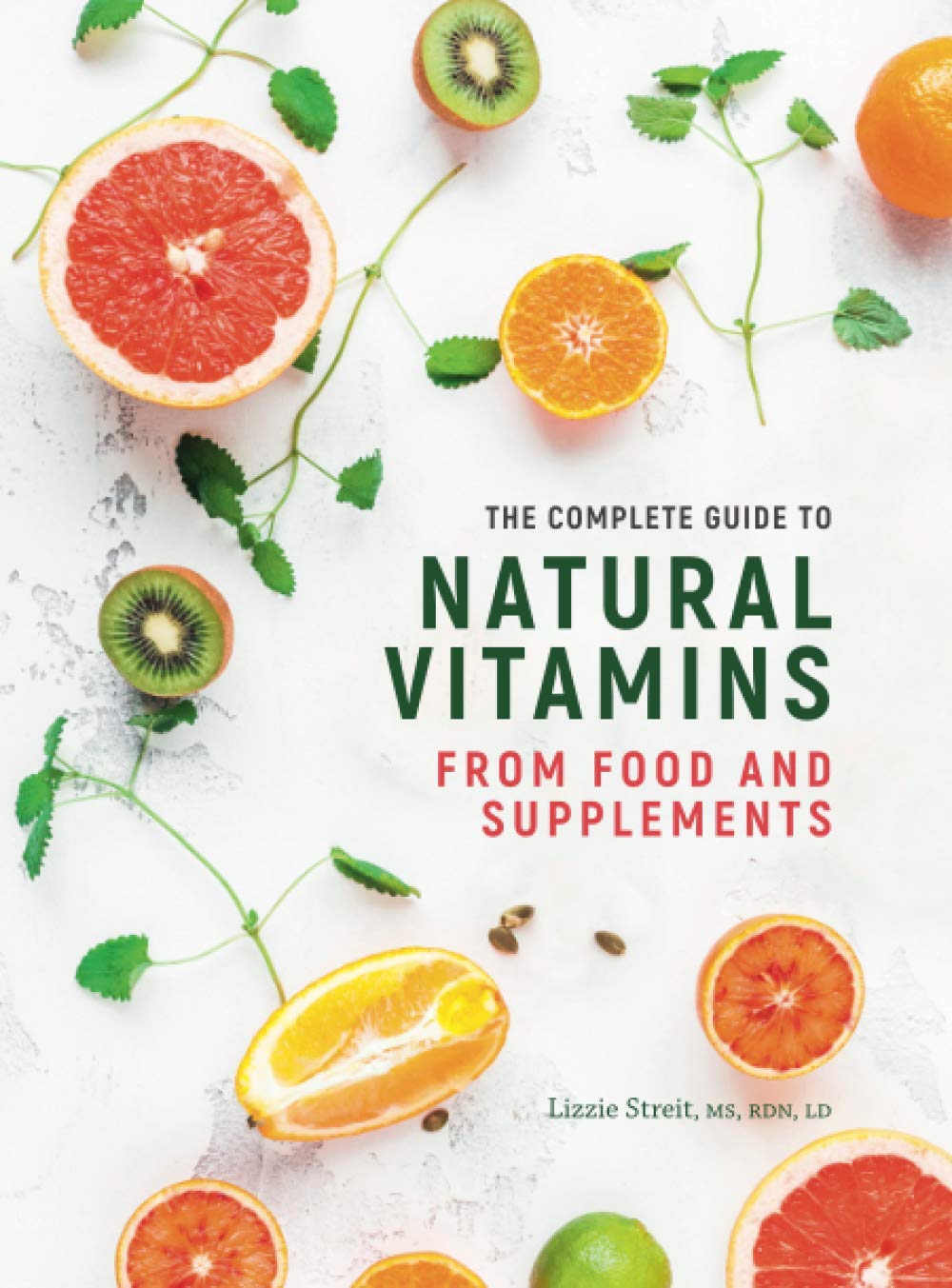
Apple Complete Guide to Natural Vitamins by Lizzie Streit - Paperback Nutrition Guide - Food & Supplements - Adult Non FictionA practical guide to natural vitamins, written by a registered dietitian, this paperback book helps readers understand which vitamins and minerals the body needs and how to get them through everyday food. It blends nutrition science with realistic strategies, making it an approachable reference for anyone wanting to boost their diet, support their immune system, and build healthy habits at home. The book covers every essential vitamin and mineral, explaining what each nutrient does, how deficiencies develop, and which medical conditions or life stages can increase the risk of falling short. It prioritizes natural food sources, listing where to find each nutrient, rather than focusing solely on supplements.9,99 £*Shipping: 2,99 £Secure redirect to the provider
-
Fourth Estate Fat Chance: The Hidden Truth About Sugar, Obesity and Disease by Dr. Robert Lustig - Paperback - Public Health & Nutrition BookFat Chance: The Hidden Truth About Sugar, Obesity and Disease is Dr Robert Lustig's exposé of how sugar has quietly infiltrated the modern diet and reshaped public health. Drawing on decades of clinical research as a paediatric endocrinologist, Lustig dismantles the myth that 'a calorie is a calorie,' revealing why sugar itself drives obesity, diabetes and chronic disease. This paperback is a must-read for anyone wanting to understand the impact of sugar on public health. About the book, sugar is toxic, addictive and virtually inescapable in the modern food supply. Dr Robert Lustig argues that our reliance on processed convenience food is directly responsible for soaring rates of obesity, type 2 diabetes and a wide catalogue of related diseases. Published by Fourth Estate Ltd, this book is a landmark exposé that goes further than typical diet books, offering a comprehensive look at the effects of sugar on our health.2,49 £*Shipping: 2,99 £Secure redirect to the provider
-
What are alcohols?
Alcohols are a class of organic compounds that contain a hydroxyl group (-OH) attached to a carbon atom. They are characterized by their ability to dissolve in water and their distinct smell and taste. Alcohols can be classified based on the number of carbon atoms bonded to the carbon atom with the hydroxyl group, such as methanol, ethanol, and isopropanol. They are commonly used as solvents, disinfectants, and in alcoholic beverages. **
-
Are polyhydric alcohols the same as, for example, secondary alcohols?
No, polyhydric alcohols and secondary alcohols are not the same. Polyhydric alcohols are alcohols that contain more than one hydroxyl (-OH) group in their structure, such as glycerol or ethylene glycol. Secondary alcohols, on the other hand, are a specific type of alcohol where the carbon atom bearing the hydroxyl group is bonded to two other carbon atoms. Examples of secondary alcohols include isopropanol and 2-butanol. Therefore, while polyhydric alcohols refer to the presence of multiple hydroxyl groups, secondary alcohols refer to the specific structure of the carbon atom bonded to the hydroxyl group. **
-
What are monohydric alcohols?
Monohydric alcohols are organic compounds that contain a single hydroxyl (-OH) group attached to a carbon atom. They are also known as primary alcohols. Monohydric alcohols can be found in various natural sources such as fruits, vegetables, and grains, and are also commonly used in the production of alcoholic beverages, solvents, and as fuel additives. Examples of monohydric alcohols include methanol, ethanol, and propanol. **
-
Are all alcohols lipophilic?
Yes, all alcohols are lipophilic, meaning they are attracted to and soluble in lipids or fats. This is because alcohols have a hydrophobic (water-repelling) portion, which allows them to interact with and dissolve in non-polar substances like lipids. This property makes alcohols useful in a variety of applications, including as solvents in the pharmaceutical and cosmetic industries. **
Similar search terms for Sugar alcohols
-
Zoblit Ltd The Not So Pointless Sugar Free Detox Journal by Yaya Nobody - Paperback Diary - Fun Sugar-Free Tracker Gift for Wellness FansA light-hearted, wry companion for anyone attempting to cut sugar from their diet, this compact diary-style paperback pokes gentle fun at the whole detox process. It's a practical tracker that offers space to jot down daily notes on your detox journey, recording what you've eaten, how you're feeling, and whether the cravings have won the day. With a tongue-in-cheek tone, this pocket-sized diary is designed to be a helpful companion on your path to a sugar-free lifestyle.2,49 £*Shipping: 2,99 £Secure redirect to the provider
-
Cornerstone Press Make Me Well: The Truth About the Wellness Industry, Supplements, and Personalised Health by Xand van TullekenIn a world of endless wellness advice, learn how to make smarter decisions about your health with the empowering new book from doctor and broadcaster Xand Van Tulleken. Drawing on original reporting, expert insight and real-world case studies, he explores: The truth about supplements and vitamins ― what works and what doesn’t The rise of at-home blood testing and personalised health plans How wearable technology (fitness trackers, sleep trackers, smartwatches) shapes our behaviour The promises and pitfalls of consumer genomics and DNA testing Why the line between healthcare and the wellness industry has become blurred There has never been a more confusing time to try to be healthy. From supplements and blood testing to wearable technology and consumer genomics, the modern wellness industry promises better energy, performance and longevity. But how much of it is science, and how much is marketing? In his groundbreaking book, Make Me Well, Xand van Tulleken investigates the new Wild West of the wellness industry, offering a clear, evidence-based guide to navigating today’s most popular health trends. With practical advice and accessible science, Make Me Well will help you cut through misinformation, avoid unnecessary costs, and make informed decisions about your physical and mental wellbeing. If you’ve ever wondered which health trends are worth your time and money, this is your essential guide to modern wellness.12,99 £*Shipping: 2,99 £Secure redirect to the provider
-
Arcturus Allen Carr Easyway 3 Book Collection Set Quit Emotional Eating, Women to Lose Weight & Good Sugar Bad Sugar Health & Weight Loss BooksTake control of your eating habits and health with the Allen Carr Easyway Series – 3 Books Collection Set by Allen Carr. This practical and empowering collection includes: Quit Emotional Eating Allen Carr’s Easy Way for Women to Lose Weight Good Sugar Bad Sugar Using the renowned Easyway method, these books help readers break free from unhealthy eating patterns, understand the impact of sugar, and develop a more positive relationship with food—without strict dieting or deprivation. Focused on mindset, behaviour change, and long-term wellbeing, this set is ideal for anyone looking to lose weight, reduce sugar intake, and improve their lifestyle in a sustainable way. Why Readers Love This Collection: Includes 3 bestselling Easyway health & weight loss books Focus on mindset and sustainable lifestyle change Helps reduce emotional eating and sugar cravings No strict diets or calorie counting Ideal for long-term health and wellbeing A supportive and practical guide to healthier living, the Allen Carr Easyway Collection offers a fresh approach to weight loss and food habits.12,99 £*Shipping: 2,99 £Secure redirect to the provider
-
Tree Hut Sugar Scrubs Blue Lagoon Sugar Scrub 510gHealth and Beauty Scrubs and Peels Tree Hut Sugar Scrubs Blue Lagoon Sugar Scrub 510g Tree Hut Sugar Scrubs Blue Lagoon Sugar Scrub 510g Tree Hut Sugar Scrubs Blue Lagoon Sugar Scrub 510g is a body scrub that offers a spa experience in the comfort of your home. Its unique formula combines the power of natural sugar with moisturizing ingredients such as coconut oil and shea butter to remove dead skin cells, leaving your skin soft, hydrated and revitalized. With its refreshing blue lagoon fragrance, this scrub transforms your skincare routine into a relaxing and rejuvenating moment. Benefits Effective Exfoliation: Natural sugar gently but effectively removes dead skin cells, leaving your skin renewed and softer. Deep Hydration: Thanks to ingredients like shea butter and coconut oil, your skin receives intense hydration while it is exfoliated. Fresh Fragrance: The Blue Lagoon fragrance provides a fresh and clean feeling, leaving you with skin that smells deliciously good. Improves skin texture: Regular use helps improve skin texture, leaving it softer, smoother and rejuvenated. Suitable for all skin types: This scrub is suitable for all skin types, even the most sensitive, providing delicate and effective care. Who is it for? Tree Hut Sugar Scrubs Blue Lagoon Sugar Scrub 510g is designed for people looking for an effective yet gentle exfoliation, using natural ingredients that hydrate and rejuvenate the skin. It is ideal for those with dry or rough skin and wish to improve its texture, softness and hydration. It is also perfect for those who enjoy products with a fresh and revitalizing fragrance that leaves the skin with a pleasant aroma throughout the day. How do I apply it? For best results with Tree Hut Sugar Scrubs Blue Lagoon Sugar Scrub 510g , follow these steps: Apply the scrub to damp skin, preferably in the shower or bath, for a gentler and more effective exfoliation. Use your hands or an exfoliating mitt to massage the product in circular motions, paying special attention to dry or rough areas. Let the mixture sit for a few minutes to allow the natural oils to penetrate your skin and deeply moisturize it. Rinse with warm water and enjoy softer, fresher and revitalized skin. Product Usage The Tree Hut Sugar Scrubs Blue Lagoon Sugar Scrub 510g is perfect to use during your body care routine. Thanks to its formula rich in natural oils and sugar, it not only exfoliates your skin, but also nourishes and moisturizes it, leaving it soft and with a refreshing fragrance. It is ideal to use once or twice a week to keep your skin soft, smooth and free of impurities. This scrub is suitable for all skin types, and can be used both in the shower and in the bath. Buy Tree Hut Sugar Scrubs Blue Lagoon Sugar Scrub 510g Tree Hut Sugar Scrubs Blue Lagoon Sugar Scrub 510g is the perfect product to achieve soft, hydrated and revitalized skin. With its refreshing fragrance and formula of natural sugar and nourishing oils, your skin will be softer and brighter...16,32 £*Shipping: 4,99 £Secure redirect to the provider
-
What are alcohols in chemistry?
Alcohols are a class of organic compounds that contain a hydroxyl (-OH) functional group, which is a combination of a hydrogen atom and an oxygen atom bonded to a carbon atom. They are characterized by their ability to dissolve in water and their ability to undergo reactions such as oxidation and esterification. Alcohols can be classified as primary, secondary, or tertiary based on the number of carbon atoms bonded to the carbon atom bearing the hydroxyl group. They are commonly used as solvents, disinfectants, and in the production of various chemicals and consumer products. **
-
'It's about alcohols in chemistry.'
Alcohols are a class of organic compounds that contain a hydroxyl group (-OH) bonded to a carbon atom. They are commonly used as solvents, disinfectants, and in the production of various chemicals. Alcohols can be classified as primary, secondary, or tertiary based on the number of carbon atoms bonded to the carbon atom bearing the hydroxyl group. They also undergo various chemical reactions, such as oxidation to form aldehydes or ketones, and esterification to form esters. **
-
Which alcohols can you drink?
You can drink alcohols that are safe for human consumption, such as beer, wine, and spirits. It's important to drink responsibly and in moderation, and to be aware of your own tolerance and any potential health risks. It's also important to be of legal drinking age in your country or region. Always consult with a healthcare professional if you have any concerns about alcohol consumption. **
-
Why are primary and secondary alcohols not as reactive as tertiary alcohols in SN1 reactions?
Primary and secondary alcohols are not as reactive as tertiary alcohols in SN1 reactions because the rate-determining step in SN1 reactions involves the formation of a carbocation intermediate. Tertiary alcohols form more stable carbocation intermediates due to the presence of more alkyl groups, which stabilize the positive charge through hyperconjugation and inductive effects. In contrast, primary and secondary alcohols form less stable carbocation intermediates, making the reaction less favorable. As a result, tertiary alcohols undergo SN1 reactions more readily than primary and secondary alcohols. **
* All prices are inclusive of VAT and, if applicable, plus shipping costs. The offer information is based on the details provided by the respective shop and is updated through automated processes. Real-time updates do not occur, so deviations can occur in individual cases. ** Note: Parts of this content were created by AI.